



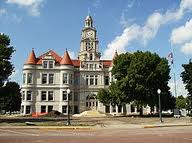
 The Dallas County Board of Supervisors approved the fiscal year 2017 budget Tuesday.
Board Chairman Mark Hanson says the process began with a forecast last July and department heads worked with the Supervisors to accomplished the agreed upon goals. Hanson also pointed out the population grown in the County from around 40,000 in 2000 to a projected more than 83,000 in 2017.
As usual, the Board compared budget data with figures in Pottawattamie, Dubuque, Warren and Story counties as they are similar in size in terms of population. Dallas County’s urban levy remains the lowest of the group, while the rural levy is the highest at the maximum rural basic percentage.
The urban levy was approved at $3.99, rural levy at $3.95 for a total levy of $7.94 per $1,000 in valuation.
Dallas County also has around $585,000,000 in Tax Increment Financing, where taxes are not being collected, the highest among the counties compared to in Iowa.
Supervisor Brad Golightly says since he has been part of the Board the focus has been on mandated services, which has helped save money. Hanson also compared the per capita spending to the per capita taxes charged to residents, the county provides around $572 in services for every one dollar in taxes brought in.
For service area one – public safety and legal services, the County is estimated to spend $10,973,000 in fiscal year 2017. Service area three – public health and social services, Dallas County is estimated to spend $3,459,000. Service area four – mental health, intellectual disability and development disabilities, is estimated at $5,788,000. Service area six – county environment and education, is estimated to spend $3,417,000 in fiscal year 2017. Service area seven – roads and transportation, expenses are estimated at $7,458,000. Service area eight, government services, expenses are estimated at $2,272,000. Service area nine, administration, is estimated at $1,567,000.
Hanson then pointed out the benefits of a local option sales tax and explained why the rural basic levy is at the maximum amount because Dallas County doesn’t have a local option sales tax.
Future challenges for the County were then prioritized as the law enforcement center, space for driver’s license services, court space, remaining competitive with employee compensation and benefits, assessment of technology needs given past and projected county growth and the rural/suburban population divide – differing needs.
The full budget presentation can be found HERE.