



The Iowa furbearer season opens today and according to the Iowa Department of Natural Resources, the outlook looks good. The DNR notes that fur bearing animal populations are stable to increasing statewide. In 2016, about 14,500 fur harvester licenses were sold, which the DNR expects to remain around the same in 2017. The number is down from 2013, due in large part to the downward fur market.
For recurring fur harvesters, there are no new regulations this year. Fur harvesters must have a valid license and have paid the habitat fee to hunt or trap furbearers except coyotes and groundhogs. The DNR reminds fur harvesters to respect private property, property boundaries, and the 200 yard separation distance from occupied dwellings or driveways. All traps must be checked daily, except underwater traps, which are designed to drown the animal immediately.
Specific population trends and regulations by animal can be found below:
Muskrats- Population is doing well, particularly in northern Iowa. Prices will likely stay similar to last year.
Raccoons- Population is strong but market forecasts are low.
Coyotes- Population and price is steady.
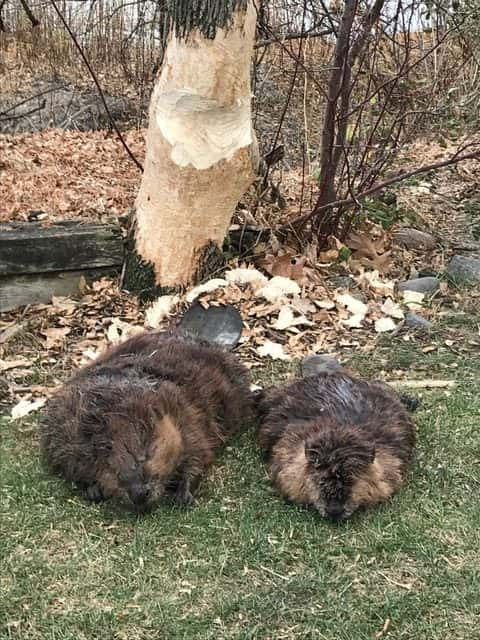
Beaver- Population is trending up slightly, but varies by region.
Mink- Population is steady.
*Bobcats- Population is expanding throughout the state. Prices will likely stay similar to last year.
*Otters- Population is stable to slightly increasing. Prices will likely stay similar to last year.
*- Fur harvesters are required to contact a conservation officer within seven days of taking an otter or bobcat to receive a CITES tag. This tag must remain with the animal until sold. Harvesters are also asked to turn in the lower jaw or skull of all otters and bobcats to the DNR for population and harvesting monitoring.