



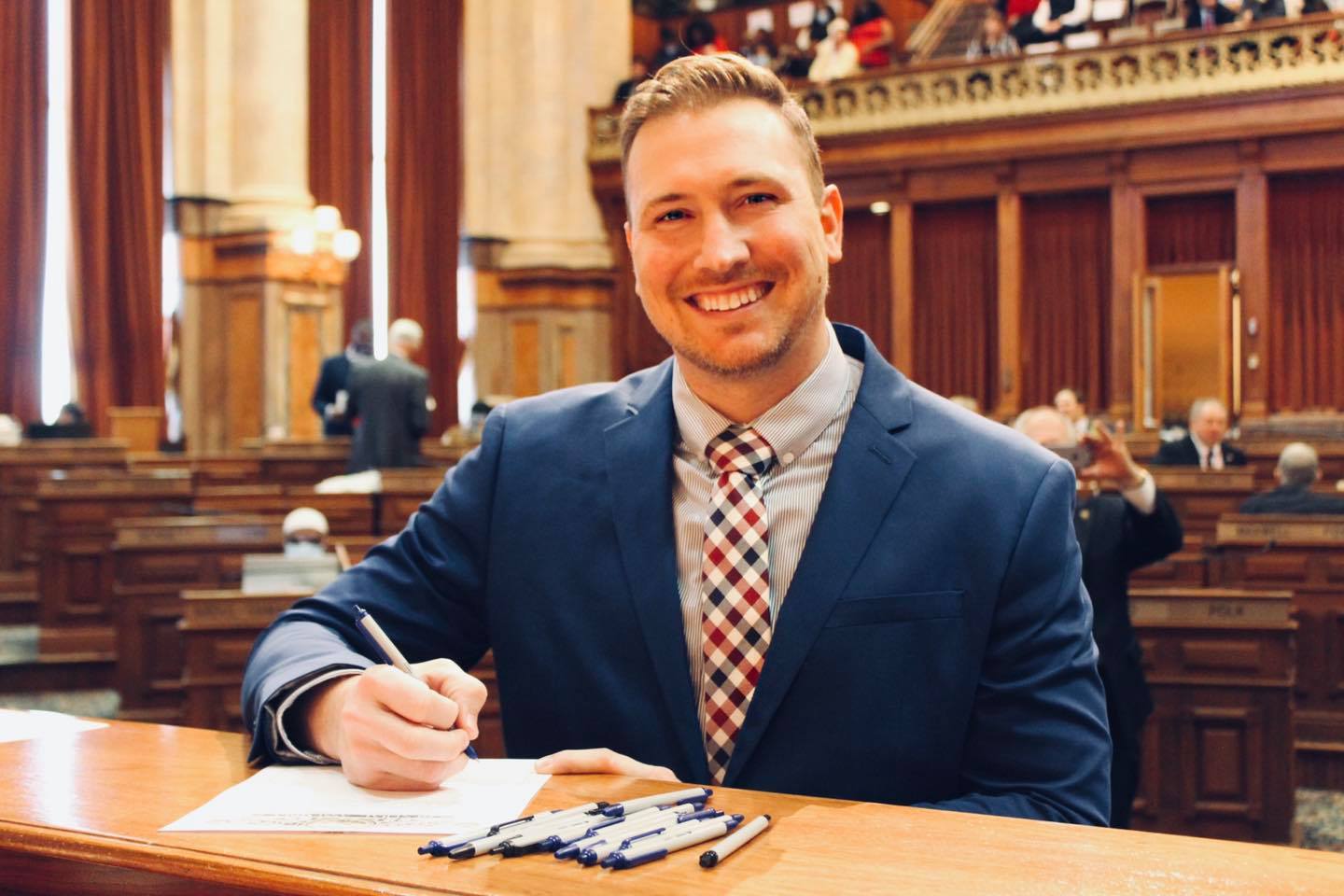
With the 2024 legislative session started, many bills are beginning to make their way through the chambers.
Iowa House Representative for District 23 Ray Sorensen says that there’s a process to how bills are drafted and passed, starting with the drafting process. He explains that it starts with an idea, then a legislator and their staffers put together what they believe that idea should look like, send it to a third party of unbiased lawyers to put into law language, then review it to make sure it works the way they want it to.
Sorensen tells Raccoon Valley Radio that the bill is then sent to the appropriate committee and starts the process of being passed.
“The Chair then assigns that bill to two majority members and a minority member, and that’s called a subcommittee. Then that subcommittee sets a time and they meet somewhere in the Capitol, and that is available for public input. And so if I were against that bill or for that bill, I could make my way to that subcommittee when it’s scheduled. I could go in, wait my turn and then say my piece on it. I could say why I’m for it, why I’m against it. Doesn’t matter who you are, you could be Joe Schmo, I mean, as long as you’re part of the state of Iowa.”
Sorensen mentions that once the bill has received two or three signatures from the subcommittee, it returns to the committee chair, and is reviewed by the committee as a whole. If the bill makes it past the committee it is reviewed by the House of Representatives, and if it passes on the House floor, it’s sent to the Senate. Sorensen adds that if the Senate approves the House Bill after review and debate, it’s sent to the Governor’s desk, where the governor can pass or veto the bill. He says that if the bill should be vetoed, and the House should believe that the bill is important enough it needs to be passed, they can overturn the veto with a majority vote.