



RVR does not own photo
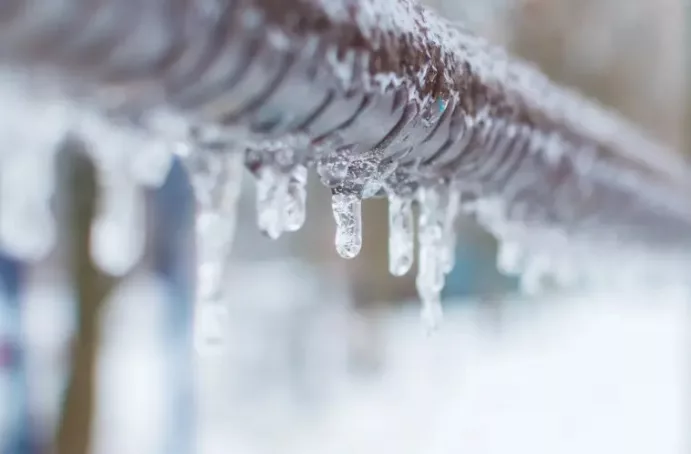
As the temperatures continue to drop below freezing, an expert discusses safety tips with pipes.
Dallas County Emergency Coordinator AJ Seely shares that people who have been in their homes for years are likely familiar with the locations of certain pipes that are susceptible to freezing. However, if occupants are newer, then he acknowledges that pipes that are connected to outside walls are prone to freeze over. Seely offers some suggestions to try to help mitigate the issue.
“First thing to do is (to) insulate those exposed pipes if we can. If it’s not possible, then one of the other options that we can do is let a faucet drip. The other thing, a lot of times, like under a kitchen sink, you can open cabinet doors and it will actually keep that warm air from the kitchen kind of circulating through that cabinet that will actually end up touching those pipes or transmitting to those pipes and keeping that warm as well. The other thing, if you have any outdoor drains or outdoor hoses, spigots, you want to make sure that the hose is unhooked from it and the water is turned off and fully drained.”
Seely admits that the pipes don’t leak when it’s frozen, but rather when the ice begins to melt. He gives a last resort option of using space heaters to warm up pipes, but to be careful if the pipes already froze because that can cause it to become ruptured.