



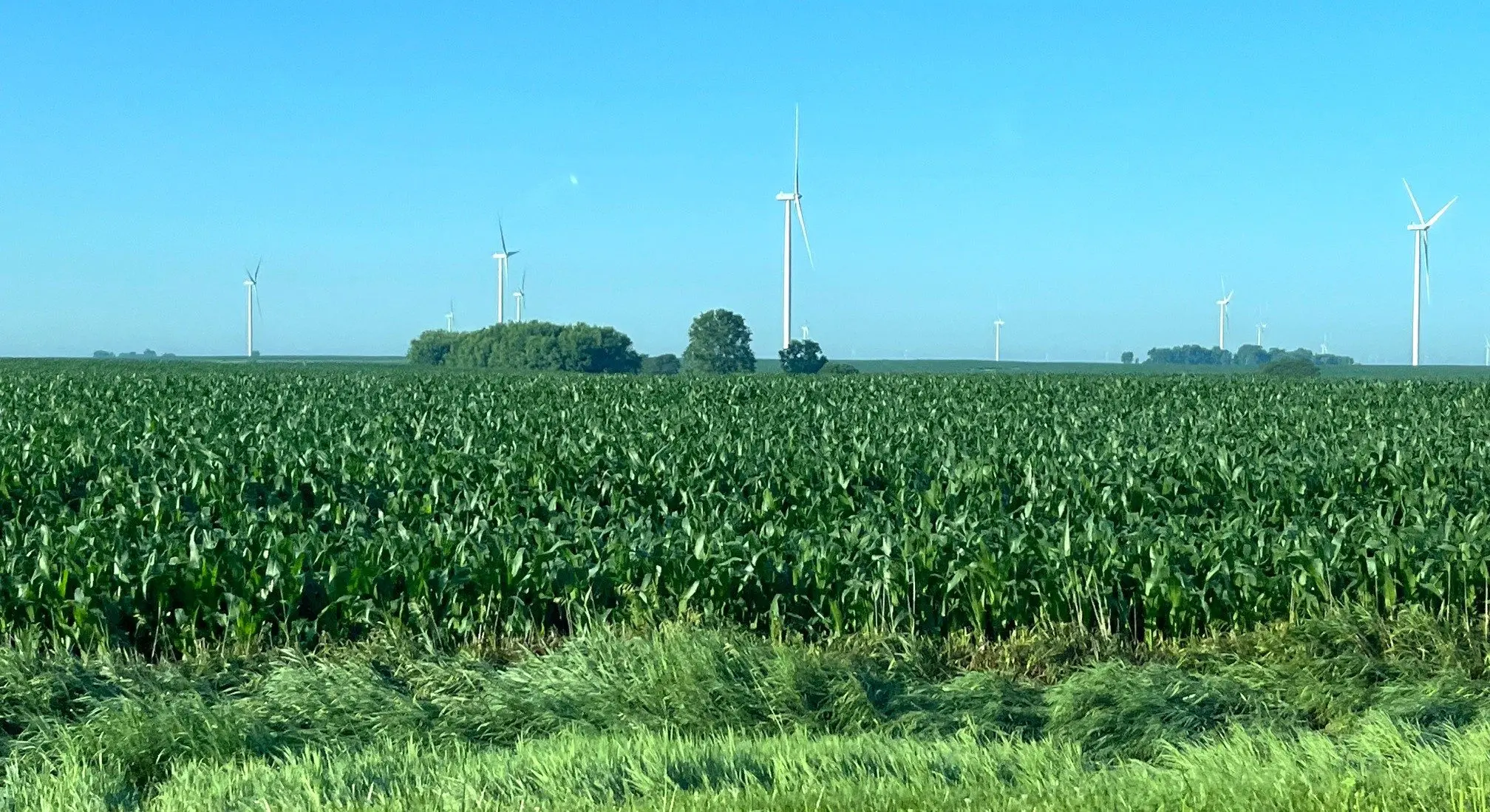
This weekend’s hot temperatures might be just the thing that is needed for corn and soybeans in areas of the state.
Landus Cooperative Field Agronomist Dan Bjorklund says the continual rainfall that happened earlier this month created a situation where corn leaves were always wet and that caused tarspot to begin to emerge in Iowa.
“That allows that spore-borne fungi to start moving into that corn plant. There’s been some found in the northern part of the state. So I would be looking for that. Now obviously, with that type of a fungus we can use fungicide at the peak time in July and take care of it. But we have to be looking at it now, we have to scout between now and that period time.”
Last week, Bjorklund points out another pest that has been around since the 1980s has shown back up between Farmhamville and Paton.
“With these soybean fields that have the yellow spots, the circular spots in the fields, I went in and dug some plants and they have soybean cyst nematode eggs on them. Very early in the season to see that.”
Bjorklund urges farmers to check the kind of resistance that they are using for the soybean cyst nematode, because certain kinds are no longer effective against it. He adds the final disease that comes from having lots of rainfall in a short period of time is Sudden Death Syndrome for soybeans, where there is a prematuring yellowing of the leaves before August, which farmers will not typically detect until after that when the plant is trying to produce in its pods.