



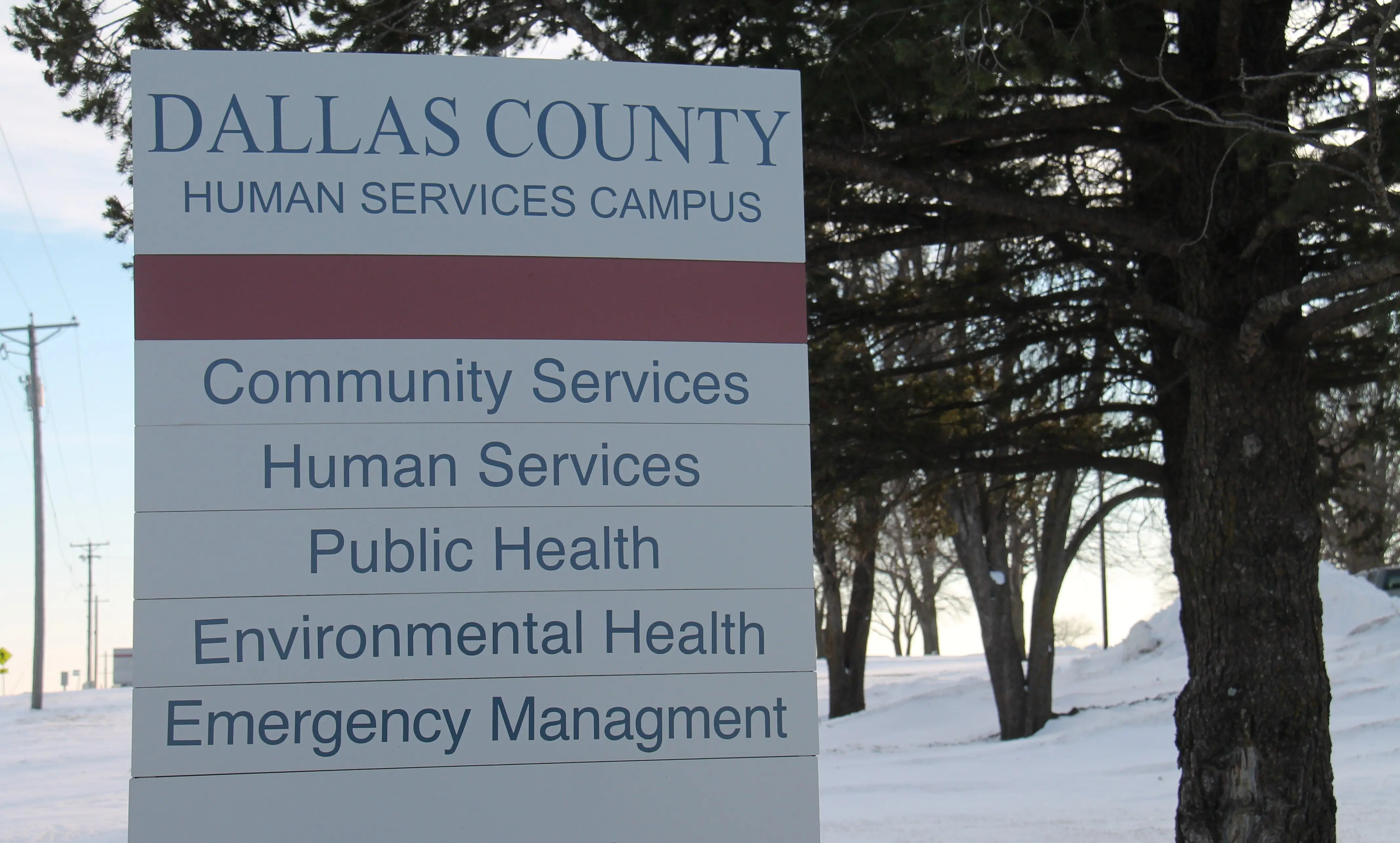
January is Radon Awareness Month and an expert with the Dallas County Health Department discusses potential dangers and how to test for it.
Community Health Educator Natalie Del Vecchio shares that radon is a colorless and odorless radioactive gas that forms naturally from the earth.
“Breathing in radon can increase your risk for lung cancer. That’s the main health concern. It’s actually the second leading risk factor for lung cancer after tobacco use. And here in Iowa, we have really high radon levels just because of how glaciers formed here long ago.”
Del Vecchio details that radon levels are the highest underground, but can move upwards inside buildings through cracks in the foundation, floors or walls. Radon can be found in any home, new or old, and she says the American Lung Association recommends that everyone tests their home every two years or after any major renovations.
Del Vecchio says that radon test kits feature directions on conducting the test and what to do if high levels are detected. She adds that the tests are typically placed in the lowest level of your home for a few days to a few months.
She notes that residents can pick up a test for $12 at the Dallas County Health Department, 25747 N. Avenue, in Adel. Tests can also be ordered online through the American Lung Association.