



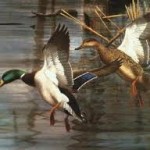
With more sustained warmer temperatures across Iowa, it is perfect timing for an annual trip by some feathery animals.
Jefferson bird enthusiast Matt Wetrich says mid-February is the start of the water fowl migration season, but that right now is the heart of it. He tells Raccoon Valley Radio that despite having unusually warm temperatures in early February, weather isn’t the key factor of when birds that seek hotter climates in the winter begin their migration patterns back north.
“Really, it’s a hormonal switch. A lot of that is triggered by day length, which is why it’s not so much weather-driven by a lot of these things, it’s photo period. So meaning, length of daylight that triggers different hormones kicking in for birds. So, that triggers them migrating, that triggers them to sing, it triggers them to do some of their courtship displays, things like that.”
Wetrich points out that there have been and will continue to be thousands of geese, ducks and swans coming through Greene County, and some will end up nesting here for the season. He explains where a lot of the water fowl bird species finish their migration.
“So the prairie pothole regions north and west of here and then going up into even farther north and west (to) southwest Minnesota, and into northern Nebraska, and into the Dakotas (North and South) (is) great water fowl production area there, and southern Canada as well. And the Snow Geese will go way farther north to even the Tundra.”
Wetrich notes that Goose Lake, Snake Creek Marsh and Dunbar Slough are perfect habitats to visit in Greene County to see water fowl, with the ideal timing of around sunrise to see the most birds in one area. He adds that April is the time frame of when more shore and song birds will be migrating through Iowa from the south.