



Earlier this month, the City of Jefferson temporarily suspended a service to help control wildlife and nuisance animals.
Citizens can no longer request traps from the police department to capture wild animals on their property. Nor will the police department retrieve the traps. Since then, national media coverage has spread and the City Council is looking at making changes to its ordinance for wild, nuisance animals. City Council Member Matt Wetrich says it’s unfortunate to have to suspend the service because it’s helpful to trap wild animals, and not just feral cats, but skunks, possums and others.
“We can’t help folks out in that way, unfortunately. But I think it’s important for folks to note that the vast majority of animals were, especially wild animals, were taken to a more preferred habitat and released to be wild, free critters. The vast majority of cats were taken to the shelter to try (to) figure out the next step for them, whether it was to be adopted or whatever health they would be in. The very, very last option was euthanizing and we’re not doing that at all right now as well. And that was a very, very rare occasion that that would happen.”
City Administrator Mike Palmer tells Raccoon Valley Radio the police department averaged shooting one feral cat per month, due to its demeanor and health.
An animal advocate group, Alley Cat Allies from Maryland, sent a letter to city officials commending the city for suspending their service and asked to work with the City to implement a Trap-Neuter-Release (TNR) program. Animals for Protection and Education (APE) Charity Representative Linn Price says the TNR program starts with the individuals known as “colony care providers” where they care and feed community cats and bring them into a shelter. The cats are then spayed, microchipped, ear-chipped, tattooed and vaccinated for rabies and other diseases. The colony care providers monitor the cats.
“We want to keep at least 80-percent of the colony fixed, (but) we strive for 100-percent. If a new cat would happen to come in(to the colony) usually the cats that are in that area already will keep cats out because they become territorial. It is a very humane program. It’s the only effective way of controlling feral cat or free-roaming cat populations.”
She adds that the issue with euthanizing cats is that if there continues to be a food source and the cats aren’t spayed or neutered, then cats will continue to gather at that food source. Price points out the overall benefit of the TNR program is that the cat population will eventually die out.
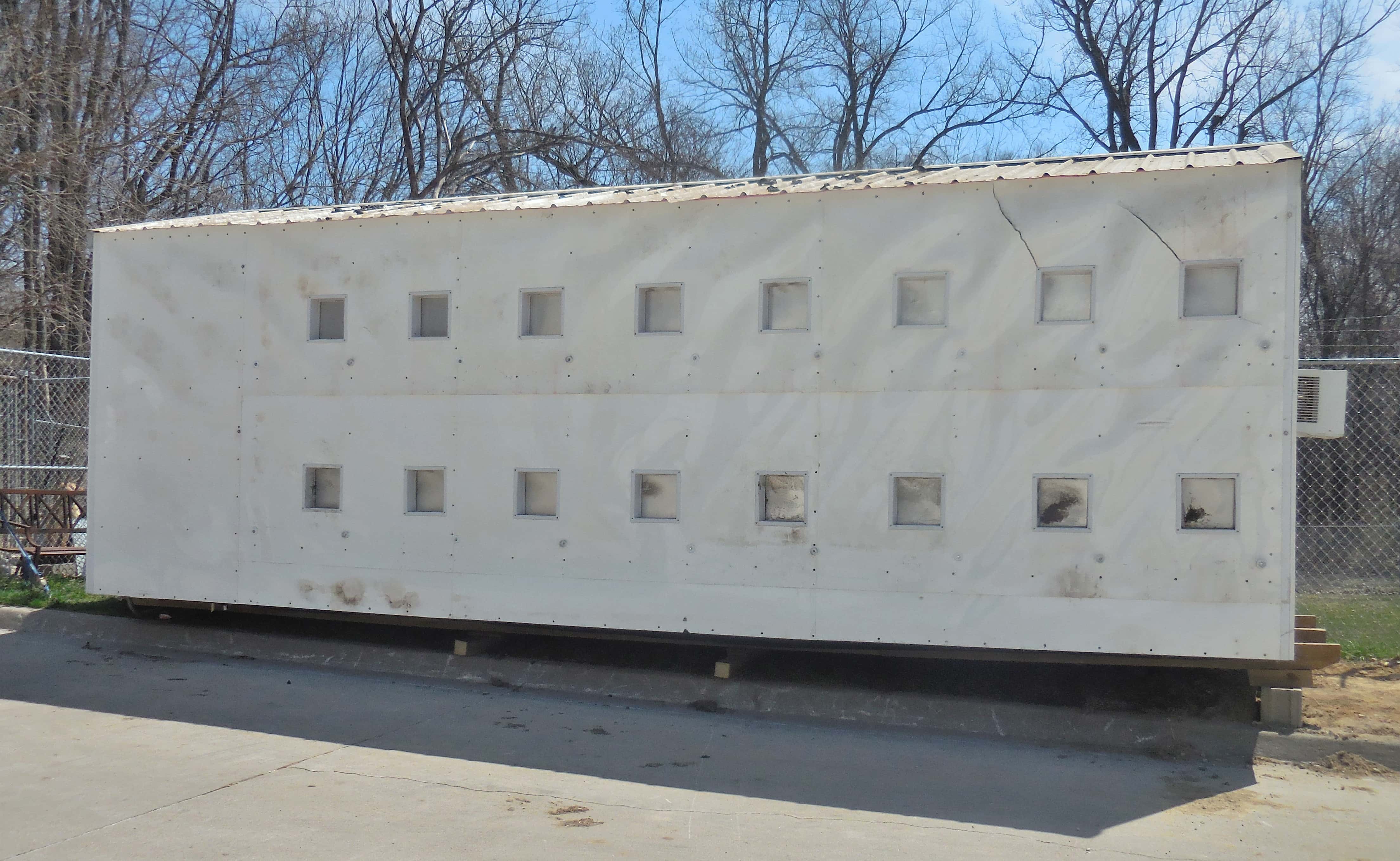
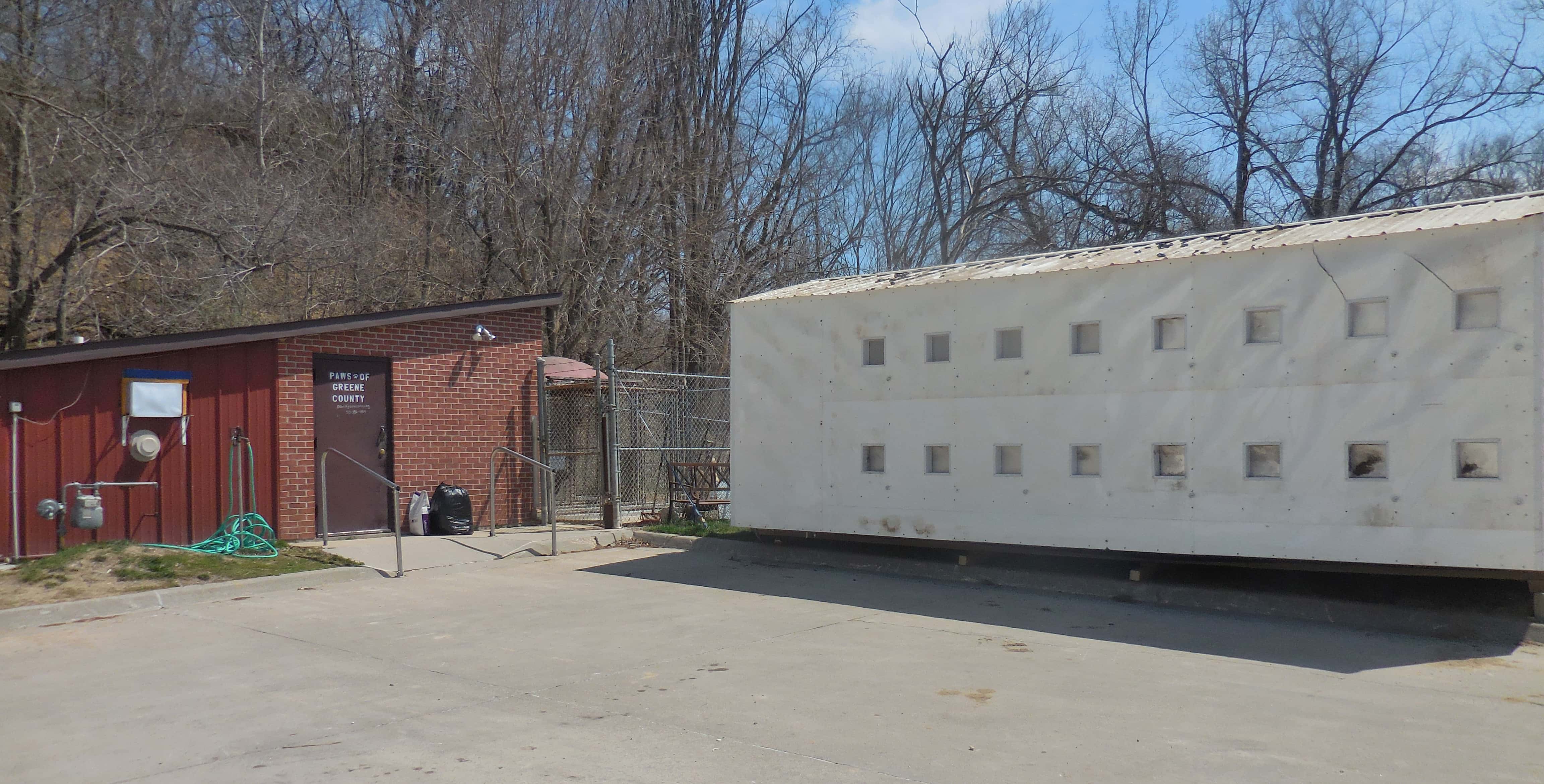
Palmer adds the City is currently installing a temporary area at the current animal shelter that the People and Animal Welfare Society (PAWS) volunteers can use as a quarantine and adoption area for cats and other animals brought to the shelter.
Wetrich says the Council is considering all of its options and is investigating what other communities are doing about their feral cat population before any final decisions are made. In the meantime, Wetrich encourages citizens to get educated on the topic and he is willing to have discussions with individuals about it as well.